
Hear from Our Customers
That musty smell in your basement isn’t just unpleasant. It’s a warning sign.
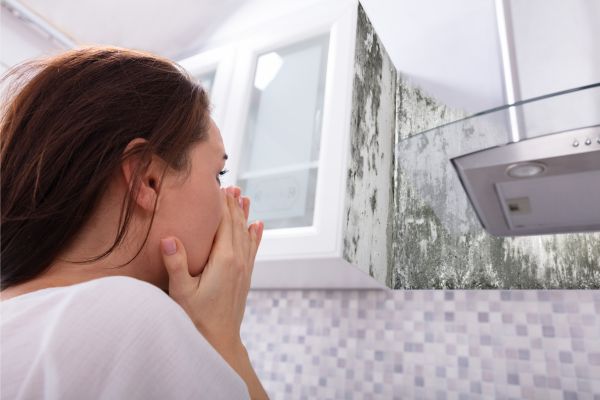
Mold doesn’t announce itself until it’s already spread. By the time you see discoloration on your walls or smell that damp, earthy odor, spores have likely been circulating through your home for weeks. Your family’s been breathing it in. Your HVAC system’s been distributing it.
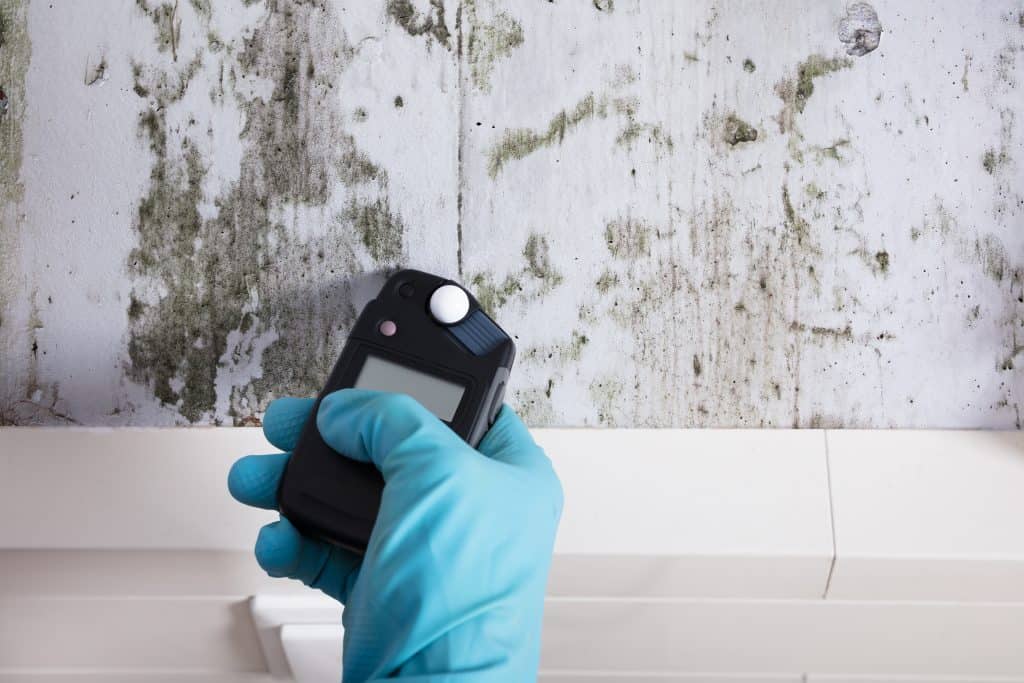
Professional mold testing gives you the full picture. We use moisture meters to find damp spots behind walls. Infrared cameras show us temperature differences that indicate water intrusion. Air sampling tells us what’s floating around that you can’t see. Surface testing confirms what type of mold you’re dealing with.
The result? You stop guessing. You get a clear report that shows whether you have a problem, where it is, and how serious it is. Then you can make an informed decision about what happens next—not six months from now when the problem’s worse.
Mack’s Mold Removal serves homeowners throughout Applebachsville and Bucks County. We’re local, which means we understand what you’re up against.
Bucks County’s humid summers and damp winters create perfect conditions for mold growth. Older homes with stone foundations and crawl spaces? Even worse. We’ve tested hundreds of properties here, and we know where mold hides in homes like yours.
We’re not a franchise following a script. We dig into the root cause—not just the visible symptoms. When we test your home, we’re looking for the moisture source that’s feeding the problem, because that’s what needs to be fixed.
We start with a visual inspection of your property. We’re looking for water stains, discoloration, warping, and any signs of past or present moisture problems. We check basements, crawl spaces, attics, bathrooms—anywhere water tends to accumulate.
Next, we use moisture meters and infrared cameras to detect hidden dampness. Mold grows where moisture sits, often in places you’d never think to check. Behind drywall. Under flooring. Inside wall cavities near plumbing. These tools show us what’s happening beneath the surface.
Then we collect samples. Air sampling captures spores circulating through your home. Surface testing identifies the specific type of mold growing on walls, ceilings, or other materials. If your HVAC system is involved, we test there too.
Once testing is complete, we send samples to a certified lab for analysis. You’ll receive a detailed report that breaks down what was found, where it was found, and what concentration levels mean for your health and property. We walk through the results with you and explain your options—no pressure, just information.
Ready to get started?
Our mold testing covers your entire home, not just the obvious problem areas. We inspect every level—basement to attic—because mold doesn’t stay in one place.
You get a written report with lab-certified results. It includes spore counts, mold types identified, and moisture readings from every area we tested. The report also notes any structural concerns we observed, like water damage or ventilation issues that could be contributing to mold growth.
We explain what the findings mean in plain language. Some mold is normal—it’s everywhere outdoors and comes inside on clothing and through open windows. What matters is concentration and type. Black mold (Stachybotrys) is a bigger concern than surface mildew. High spore counts in living areas mean you have an active problem.
Applebachsville homes face specific challenges. Pennsylvania’s precipitation has increased 5-10% in recent years, which means more moisture working its way into basements and foundations. If your home was built before modern waterproofing standards, you’re even more vulnerable. Our testing accounts for these local factors, so the recommendations we make actually fit your situation.
You need testing if you smell musty odors, see visible discoloration, or have unexplained health symptoms like chronic sinus issues, headaches, or respiratory irritation. You also need it after any water damage—even if it was cleaned up quickly.
Here’s the thing: mold grows fast. Within 24-48 hours of water exposure, spores start colonizing. If you had a leak, a flood, or even persistent condensation, there’s a good chance mold is growing somewhere. DIY test kits from hardware stores don’t give you the full picture. They might detect mold presence, but they won’t tell you what type, how much, or where the moisture source is.
Testing is also critical if you’re buying a home in Applebachsville or anywhere in Bucks County. Older properties often have hidden mold in basements or behind finished walls. A pre-purchase mold inspection can save you from inheriting someone else’s expensive problem. If the seller claims they “took care of it,” testing confirms whether the remediation actually worked.
An inspection is visual—we look for signs of mold and moisture. Testing involves collecting samples and sending them to a lab for analysis.
Most situations require both. The inspection tells us where to look. We check common problem areas and use tools like moisture meters and thermal imaging to find hidden dampness. But visual inspection alone can’t identify mold types or measure spore concentrations in your air.
That’s where testing comes in. Air samples capture what’s floating through your home. Surface samples identify the specific mold species growing on materials. Lab analysis gives us hard data—not just “yes, there’s mold,” but “here’s what kind, how much, and whether it’s a health risk.” If you’re dealing with symptoms or need documentation for insurance or real estate purposes, testing provides the proof you need.
The on-site testing usually takes 1-2 hours depending on your home’s size and the number of areas we’re sampling. Lab results typically come back within 3-5 business days.
During our visit, we’re thorough. We don’t rush through a checklist. We inspect every level of your home, take multiple samples from different locations, and document moisture readings throughout the property. If we find something concerning, we investigate further to locate the source.
Once samples reach the lab, they’re analyzed for mold type and concentration. The lab report is detailed—it breaks down findings by location and compares your indoor air quality to outdoor baseline levels. When results are ready, we schedule a time to review them with you. We explain what everything means and answer your questions. If remediation is needed, we discuss next steps. If levels are normal, we’ll tell you that too. You’ll know exactly where you stand within a week of testing.
Small surface mold on non-porous materials (like tile or glass) can often be cleaned with the right products. Anything larger than 10 square feet, or mold growing on porous materials like drywall or wood, needs professional attention.
Here’s why testing matters even if you plan to clean it yourself: you need to know what you’re dealing with. Some mold types release more harmful mycotoxins than others. Black mold, for example, requires different safety precautions than common mildew. Without testing, you’re guessing.
There’s also the hidden factor. The mold you see is rarely the whole problem. If there’s visible growth on a wall, there’s likely more behind it. If your basement smells musty but looks clean, mold could be growing under flooring or inside wall cavities. Scrubbing the surface doesn’t address the root cause—the moisture source feeding the growth. Testing identifies where the problem starts, so you can actually fix it instead of watching it come back in three months.
It depends on what caused the mold. If it resulted from a sudden, covered event—like a burst pipe or storm damage—your policy might cover testing and remediation. If it’s from long-term neglect or maintenance issues, probably not.
Insurance companies want documentation. A professional mold test provides the evidence you need to file a claim. The lab report shows what was found, when it was found, and links it to the water damage incident. Without that documentation, your claim is much easier to deny.
Even if insurance doesn’t cover the full cost, testing is worth it. Untreated mold can reduce your home’s value by 20-37%. Homes with documented mold problems sit on the market longer and sell for less. On the flip side, sellers who invest in professional remediation often recover significantly more at resale—sometimes $20,000 more after spending $7,500 on treatment. Testing gives you the information to make smart financial decisions about your property, whether you’re filing a claim or not.
First, don’t panic. Most homes have some mold present—it’s a question of type and concentration. If testing reveals a problem, we walk through your options based on the severity and location.
Minor issues might only require improved ventilation, dehumidification, or fixing a small leak. Moderate problems could need targeted removal of affected materials and treatment of the area. Serious contamination—especially black mold or widespread growth—requires containment, removal, and addressing the underlying moisture issue.
We give you a clear remediation plan. That includes identifying the moisture source (because fixing that is non-negotiable), removing contaminated materials safely, treating affected areas to prevent regrowth, and verifying the work with post-remediation testing. You’ll know what needs to happen, why it needs to happen, and what it costs before any work begins. Then you decide how to move forward. Some homeowners handle small fixes themselves. Others want professionals to manage everything. Either way, you’re making an informed choice based on real data—not fear or guesswork.
Other Services we provide in Applebachsville